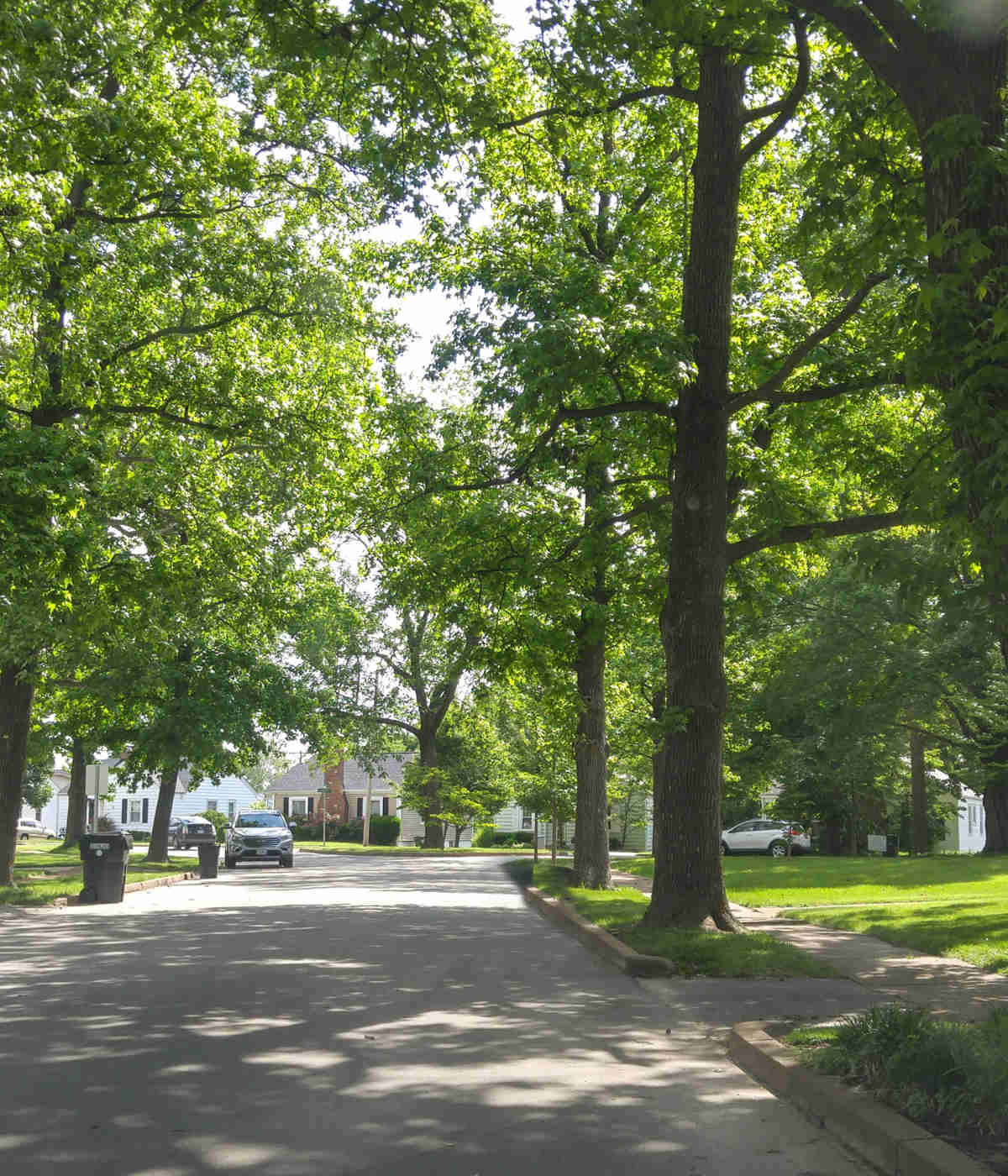

Winter weather begins to warm during March and April in Massachusetts, causing root activity to resume in dormant trees. This makes late winter an ideal time for early spring tree prep and evaluation, including spring tree fertilization.
Fertilizing too early or too late can harm growth or waste resources. Planning for fertilization now allows time for soil testing, product selection, and scheduling professional services.
Signs Your Tree Needs Fertilizer This Spring
Since trees aren’t showing new growth in February, signs your tree needs fertilizer are based on conditions from the previous growing season. These can include:
- Sparse or thinning canopy last summer or fall
- Smaller-than-normal leaves during the growing season
- Early leaf drop or fall color that came too soon
Why Soil Testing for Trees Is a Must Before You Fertilize
Soil can differ from property to property or even in different parts of your lawn. Soil testing for trees is a surefire way to determine your tree’s exact nutrient needs. A soil test identifies nutrient deficiencies, helping determine the right type of fertilizer for your trees and soil type. This precise information on your soil’s needs also helps avoid over-fertilization.
Understanding Tree Fertilizer Types & Timing
Fertilizers typically come in two types: slow-release and fast-release. Slow-release fertilizer, as the name implies, releases small, steady amounts of nutrients over extended periods. Fast-release fertilizers dissolve quickly in your soil, making the nutrients instantly available to your trees.
Each type of fertilizer has its purpose, but slow-release fertilizers are generally preferable. Fertilizers designed for vegetables and seasonal gardens are generally not a good idea to use for trees.
As for a tree fertilizer schedule in Massachusetts, the general best practice is to apply fertilizer from late March to early May and avoid mid-to-late summer applications. Fall is another great time to fertilize, especially to boost root health.
Spring Tree Fertilization: A Smart Move for Every Tree
Spring tree fertilization is beneficial for all trees, but some that really need the extra seasonal boost include:
- Young, newly planted trees
- Flowering ornamentals and fruiting trees with a heavy fruit crop that could put strain on the plant.
- Trees growing in poor soil, compacted urban areas, or areas with restricted soil volume.
- Trees recovering from pest and disease pressure or drought stress. Consult with your arborist if your tree is recovering from pests or diseases since there are a few insect species and fungal diseases that can get a boost from nitrogen.
When to Call a Certified Arborist
An ISA Certified Arborist ® can help if you’re unsure about what nutrients your trees need or if you want to create a customized fertilization plan based on your yard’s soil conditions and species. Arborists can also help determine the best fertilization options for mature trees, high-value ornamentals, or visible signs of decline.
Arborists can also apply fertilizers directly in the root zone of the tree, bypassing turf that can soak up surface applications.
Fertilize Your Trees Smart—Not Just Fast
Spring tree fertilization isn’t just a quick green-up. It supports the long-term health of your yard. Start planning in February, so your trees are ready when the growing season hits!
At Hartney Greymont, we have ISA- and Massachusetts-Certified Arborists located in Needham, Concord, Danvers, Cape Cod, and the surrounding areas who can offer tree and soil health consultations.
FAQ: Tree Fertilization Planning for Spring in Massachusetts
It’s a good idea to fertilize newly planted trees in the spring since spring fertilization helps trees develop strong root systems, leaves, and flowers, and replenish nutrients lost during the fall and winter. Soil amendments are also great for newly planted trees.
The general best practice is to apply fertilizer from late March to early May in Massachusetts once the ground has defrosted and the tree can start absorbing nutrients.
New England soil typically has sufficient potassium and phosphorus. Slow-release, high-nitrogen formulas tend to work best in Massachusetts soils, but it’s always best to perform a soil test to determine your tree’s exact nutrient needs.
DISCOVER MORE SEASONAL FERTILIZATION OPTIONS